How many pairs of shoes does your family road trip need?
Begin with activities, weather and surfaces rather than a fixed number of pairs per person. A simple weekend may call for one everyday pair on each traveler plus one shared category of backup footwear, such as sandals or trail shoes. A longer route that mixes city walking, wet campsites and a formal event may require more, but every pair should solve a problem on the itinerary.
Check destination guidance before deciding. The National Park Service recommends footwear suited to expected conditions and testing new or repaired footwear before a demanding trip. Ask who will walk where, in what weather, and which pair can cover more than one part of the plan.
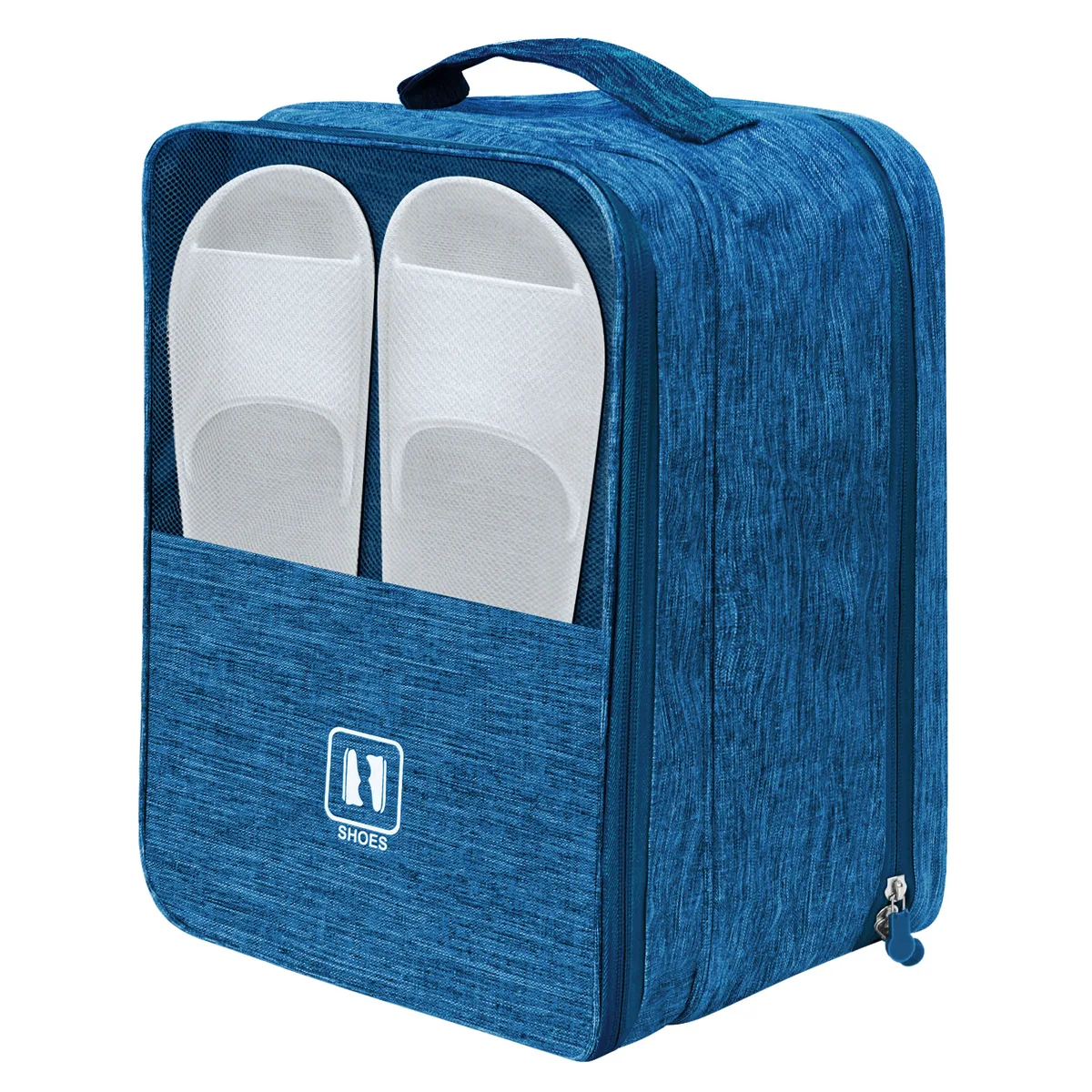
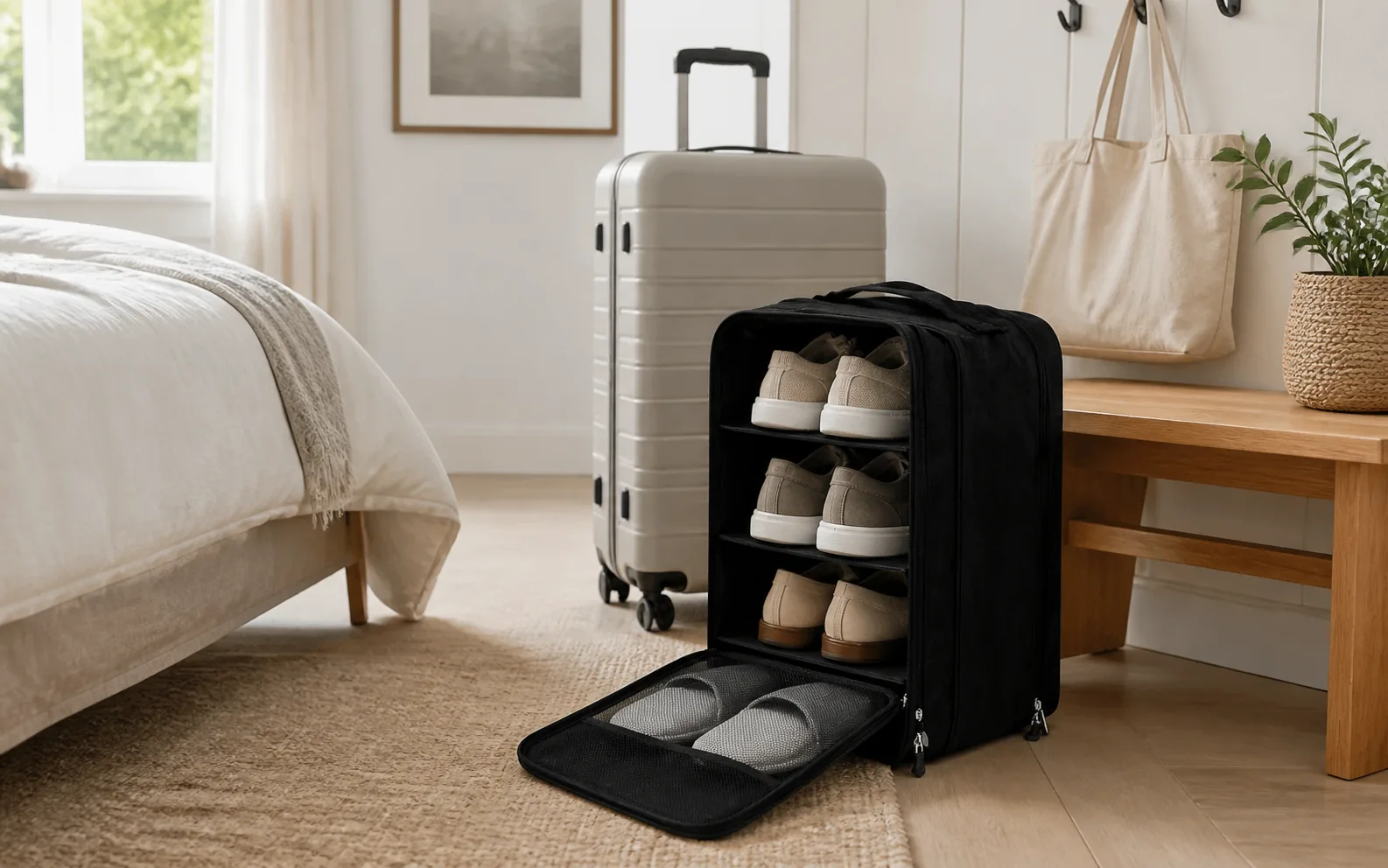
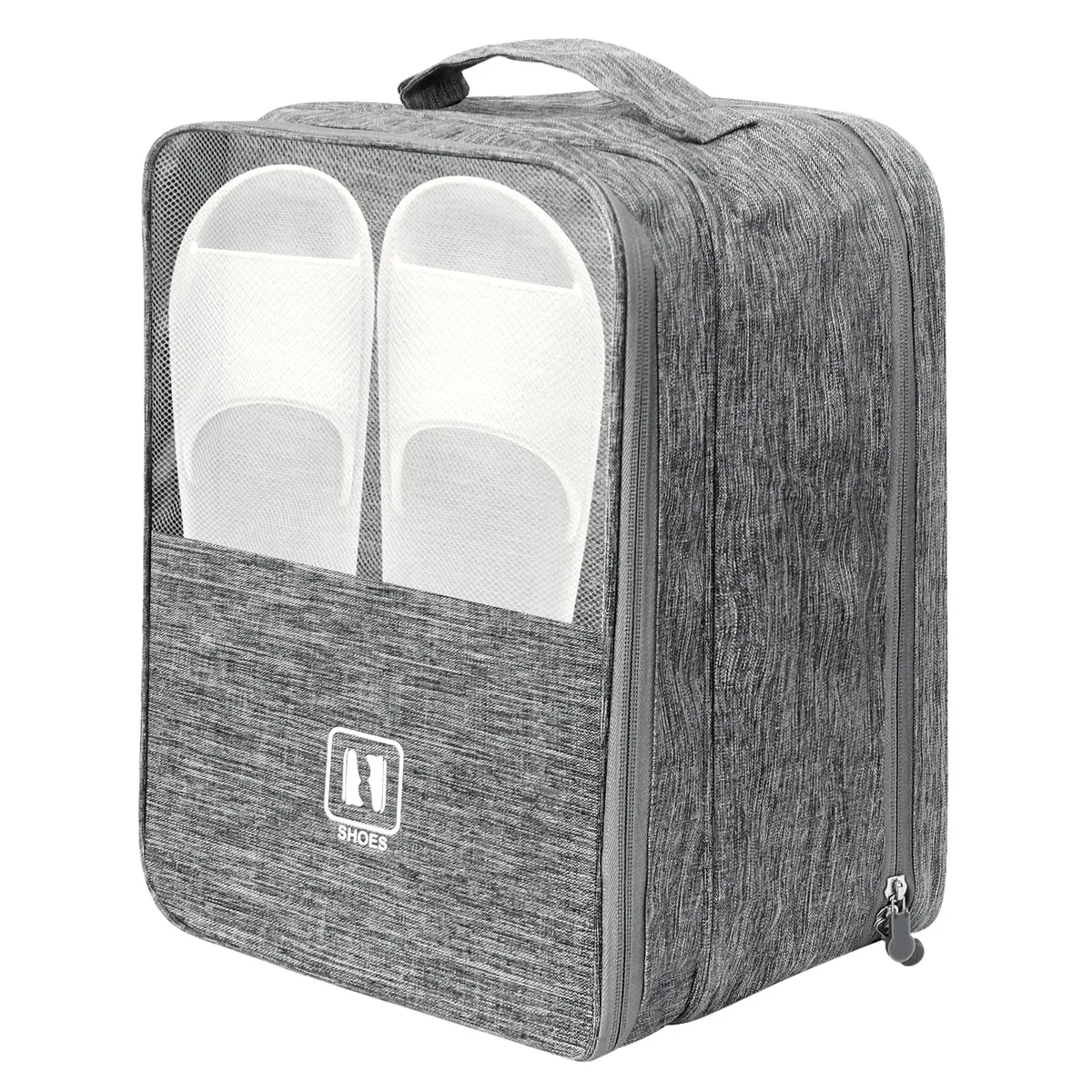
Then do a physical fit test. The verified PNEUICALLY listing presents the Grey Three-Pair Travel Shoe Bag as a three-pair organizer, but bulky boots or large shoes can use more than one layer. Treat three pairs as the listing format, not a promise for every family combination, and reduce the shoe list if the organizer closes only under pressure.
How to pack family shoes for a road trip in 7 steps
This sequence keeps footwear matched to the itinerary, separates outdoor debris from clean items and makes the first stop easier to manage.
1. Map one shoe job to each planned activity
Write the major activities in order: driving, sightseeing, hiking, swimming, dinner, sports and the trip home. Assign the least number of shoes that can reasonably cover those jobs. If one comfortable walking pair works for both travel days and town visits, it does not need a duplicate simply because there is room in the car.
Review weather and destination conditions shortly before departure. A wet trail calls for a different list than a city hotel. Keep specialty footwear only when the itinerary requires it.
2. Inspect fit, closures and removable pieces
Have each traveler try on the chosen pairs with the socks they expect to wear. Check laces, hook-and-loop closures, insoles and removable accessories while replacements are still easy to find. The National Park Service advises testing new or repaired footwear before a serious outing rather than discovering a fit problem at the destination.
Tie laces loosely, close straps and put spare laces or approved removable parts in a labeled pouch. Do not leave dirty or loose accessories where they can move between compartments.
3. Remove loose soil before the shoes enter the car
Brush soil, seeds and plant material from outdoor shoes at the place where the debris belongs. USDA APHIS specifically advises cleaning boots, clothing and outdoor gear before leaving an area because soil and plant material can move pests. Use a boot-brush or rinse station when the location provides one.
Follow the shoe maker's instructions for deeper cleaning because uppers, adhesives and finishes tolerate different methods. The immediate goal is to remove loose debris without damaging the footwear.
4. Let damp footwear dry before enclosing it
Do not seal a wet pair for a long drive when you can dry it first. Open the shoe, remove a detachable insole only when the maker permits it and allow air to circulate away from direct heat.
If departure cannot wait, isolate the damp pair temporarily and dry everything at the next practical stop. The Grey PNEUICALLY bag is described as water resistant, not waterproof or leakproof.
5. Assign each compartment before loading
Group shoes by access order or family member, then use the same rule for the entire trip. One workable setup places the first-stop pair in the easiest-to-reach layer, everyday shoes in the main compartment and low-profile sandals or slippers in a slimmer layer. Mesh panels can help identify contents without opening every zipper.
Put soles toward one another when shape allows, and do not force a tall or rigid pair into a shallow space. The bag is approximately 13.8 by 10.2 by 8.3 inches, but fit still depends on the footwear.
6. Close the organizer and place it for real access
Zip each section without trapping laces. Inside a suitcase, place it where the case closes normally; in a cargo area, keep it with other contained items rather than loose beside passengers.
Think through the first stop before burying it. Hotel footwear may need to come out before the overnight suitcase is fully unpacked, while trail shoes may be needed at a roadside destination. The top handle and rear luggage sleeve can help during transfers, but the sleeve is not a vehicle restraint.
7. Secure the vehicle load and repeat the check
A closed shoe bag still counts as cargo. Follow the vehicle manufacturer's loading instructions and keep luggage stable so it cannot fall out or shift into an unsafe position. NHTSA advises drivers to secure loads, avoid excessive cargo and double-check that items cannot escape the vehicle.
Recheck the cargo area after the first major stop and whenever the arrangement changes. Confirm the organizer is closed, clear of doors and reachable without unloading onto an unsafe shoulder.
Which shoe-packing method fits a family road trip?
Choose a method by separation, visibility and access. None of these containers replaces proper vehicle cargo restraint or shoe-specific care instructions.
| Packing dimension | Multi-compartment shoe bag | Individual washable pouches | Open cargo bin | Best-fit scenario |
|---|---|---|---|---|
| Pair separation | Several layers keep selected pairs in one closed organizer. | Each pair can be isolated, but many small pouches are easier to misplace. | Pairs share one open space and may contact other items. | Use a shoe bag when the family wants one portable footwear unit. |
| Access | A consistent layer system makes the next pair easier to find. | Good when each pouch is clearly labeled or color coded. | Fast only while the bin remains near the top of the load. | Choose based on which shoes are needed at the first stop. |
| Wet or muddy footwear | Use only after loose debris is removed; isolate damp pairs until they can dry. | A washable pouch may be useful for one dirty pair if its care instructions allow. | Debris can spread unless the bin has a dedicated liner and is cleaned. | Clean outdoor gear before leaving the area whenever possible. |
| Between stops | Close every zipper and keep the organizer inside stable cargo. | Count pouches after each stop and contain them in larger luggage. | Secure the bin so contents cannot spill or escape. | Every option must follow the vehicle maker's loading guidance. |
How should you handle wet or muddy shoes during the trip?
Treat the transition back to the vehicle as part of the packing system. Remove loose mud, seeds and plant fragments before leaving the trail or outdoor area, using an official cleaning station when one is available. This protects the rest of the load and follows USDA APHIS guidance intended to reduce movement of invasive pests.
Keep the dirty pair separate until it can be cleaned according to its maker's directions and dried. Do not count on a mesh panel or water-resistant outer fabric to contain mud or standing water. A temporary washable barrier can isolate the pair, but remove it as soon as practical so the shoes and container can dry.
Before the return drive, repeat the same inspection used at home. Check soles, closures and loose accessories, restore each pair to its assigned place and confirm that the organizer closes without force. A repeatable reset is more reliable than inventing a new arrangement at every stop.
What shoe-packing mistakes create the most road-trip clutter?
Most problems begin before loading: too many speculative pairs, outdoor debris carried into the car, and no plan for the footwear needed first. A dedicated organizer helps only when the family also uses a simple selection and reset routine.
- Packing a pair for every possible event instead of checking the actual itinerary and forecast.
- Using the organizer as a substitute for cleaning wet or soil-covered footwear.
- Forcing bulky shoes into a compartment until the zipper or shoe shape is under stress.
- Leaving spare laces, insoles or sports accessories loose among passenger belongings.
- Placing the most-needed shoes underneath the entire cargo load.
- Assuming a luggage sleeve or carry handle secures an item inside a moving vehicle.
A final 60-second family shoe check
Ask each traveler to confirm the one pair being worn and every pair assigned to the organizer. Check that dry and damp footwear are separated, all laces and removable parts are controlled, and each zipper closes normally. Make sure the first-stop pair is accessible without unloading the whole vehicle.
Finally, verify the cargo arrangement against the vehicle manufacturer's instructions. The organizer should be stable, the load should not obstruct the driver, and nothing should be able to fall from the vehicle. Repeat the check whenever people remove or rearrange luggage.
The takeaway
Pack for the itinerary, then keep the system repeatable.
Choose only footwear with a clear job, clean and dry each pair as conditions allow, assign consistent compartments and secure the finished load. The PNEUICALLY Grey Three-Pair Travel Shoe Bag can keep several family pairs together, while honest fit testing and a quick reset at each stop prevent the organizer from becoming another source of clutter.
Frequently asked questions
How many pairs of shoes should each person pack for a road trip?
Pack the fewest pairs that cover the planned activities, weather and surfaces. Many short trips can work with one pair worn and one purposeful backup, but the right number changes with the itinerary and each traveler's needs.
Can wet shoes go straight into a travel shoe bag?
No, not for extended storage when you can safely dry them first. If departure is immediate, isolate the damp pair temporarily, then open, clean and dry the shoes and container at the next practical stop.
How do I keep muddy shoes from dirtying the car?
Remove loose soil, seeds and plant material before leaving the outdoor area, then place the pair in a dedicated temporary barrier until proper cleaning and drying are possible. Do not rely on a water-resistant shoe bag alone to contain mud or standing water.
Will three pairs always fit in the PNEUICALLY shoe bag?
No. The listing presents it as a three-pair design, but actual capacity depends on shoe size, height and shape. Bulky boots or large shoes may take more space than low-profile sneakers, sandals or slippers.
Where should a shoe bag go in the car?
Place it inside luggage or another stable cargo area that follows the vehicle manufacturer's loading instructions. Keep it accessible if the shoes are needed at the first stop, but never let it interfere with pedals, doors, visibility or passenger restraints.
Should every family member use a separate shoe bag?
Not necessarily. One multi-compartment organizer can work when the selected pairs fit comfortably and everyone follows the same layer system; separate pouches may be clearer when sizes, wet conditions or stop schedules differ.