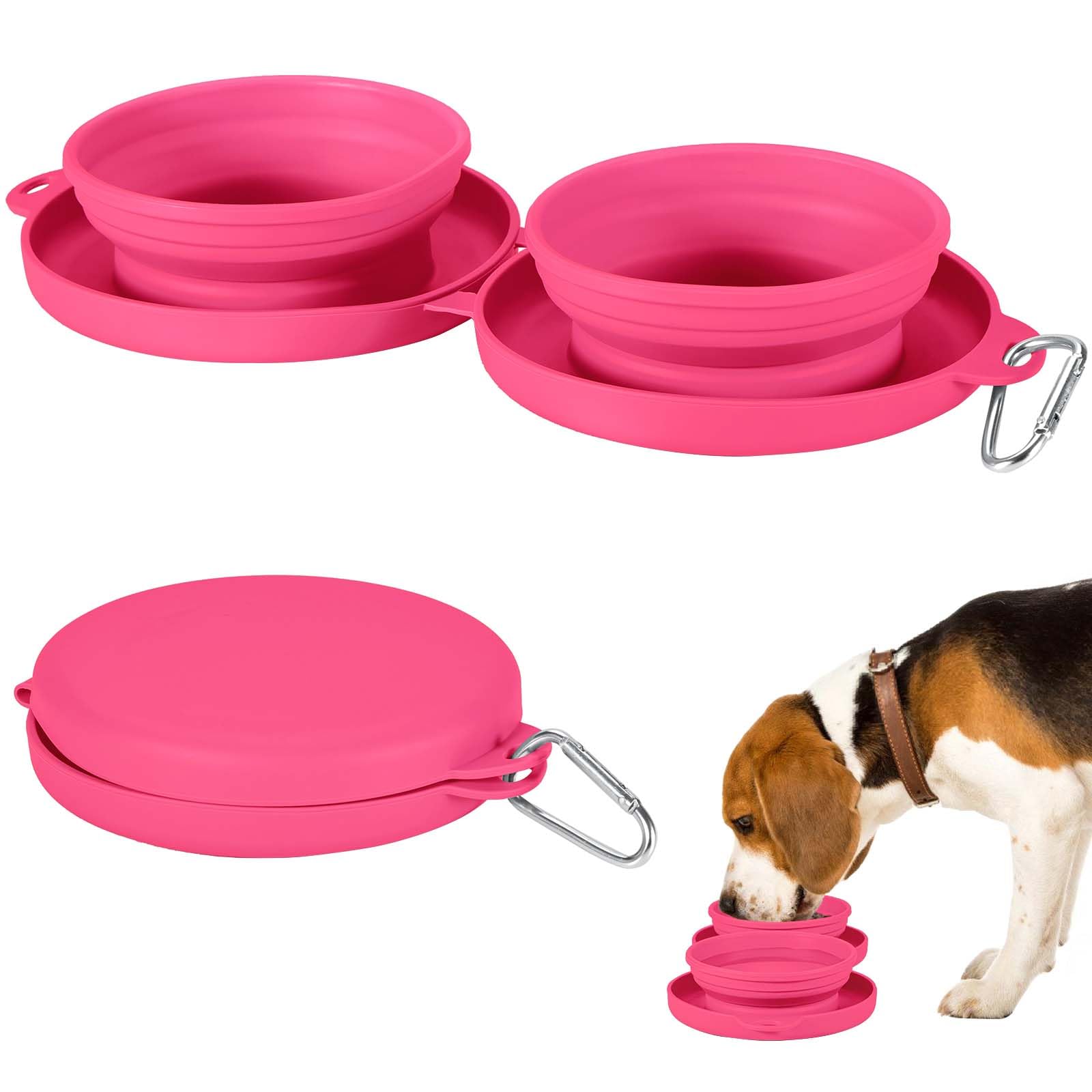
What should you plan before using a dog bowl on the road?
Start with the dog, not the container. Keep the usual food, feeding times and veterinary instructions at the center of the plan. A road trip can change activity, temperature and stress, so ask your veterinarian about individual needs if your dog has a health condition, takes medication, becomes carsick or has not traveled comfortably before.
Map the route and mark places where you can pull completely out of traffic. Texas A&M veterinary guidance recommends giving pets a break every couple of hours on longer drives so they can stretch, drink and use the bathroom. Treat that interval as general travel guidance rather than a promise that every dog has the same needs.
Check destination rules as soon as the route is known. USDA APHIS notes that U.S. states and territories may set animal-health requirements for arriving pets. A bowl helps with the feeding routine, but it does not replace vaccination records, identification, a suitable restraint or any required travel documents.
How to use travel dog bowls on a road trip in 7 steps
Use the same sequence at each planned stop so food, water, hygiene and packing stay predictable from departure to destination.
1. Pack familiar food and suitable water separately
Measure the food needed for the planned trip using the feeding directions and veterinary advice you already follow. Keep it in its original package or a clean, closed food-safe container with the label information available. Do not introduce a new food merely because it seems easier to carry.
Carry suitable drinking water in a separate closed container. The travel bowl is a serving surface, not long-term water storage, and it should be empty before it is folded or placed back in the car.
2. Inspect and clean both bowl sections before departure
Open both collapsible sections and check the rims, folds and connection points for trapped residue, damage or an incomplete shape. Wash and dry the product according to its supplied care directions before the first stop.
FDA guidance says to wash pet food bowls and scooping or measuring utensils with soap and hot water after each use. Begin the trip with clean bowls, clean hands and a dedicated scoop rather than using the bowl itself to measure food.
3. Keep the feeding kit accessible but secure
Pack the empty folded bowl with the food, water, waste bags, leash and cleanup supplies in one reachable kit. Keep the kit inside stable luggage or another secured cargo area so it cannot roll under pedals, strike a passenger or fall out when a door opens.
The included carabiner is useful for attaching the folded PNEUICALLY bowl to a backpack or travel bag while carrying it. It is not a pet restraint, vehicle tether or substitute for travel equipment designed to secure an animal.
4. Stop completely before setting out food or water
Choose a legal, safe stopping place and park before opening the feeding kit. Keep the dog controlled with the travel restraint and leash system recommended for that animal and location. Do not balance an open water bowl in a moving vehicle or ask the driver to manage feeding while driving.
Place the bowl on a stable, reasonably clean surface away from moving vehicles. Open both sections fully so they sit flat, then add only what the dog needs for that stop.
5. Use one side for water and one side for food
Assign the same side to water and the same side to food throughout the trip. A consistent setup reduces mix-ups and makes it easier to notice whether either section still contains residue before packing.
Offer portions according to the dog's established routine and veterinary advice. If the dog refuses food or water, vomits, appears distressed or behaves unusually, stop the routine and contact a veterinarian for advice rather than forcing intake.
6. Discard leftovers and clean the bowl after the stop
Remove leftover food according to the product label and your veterinarian's guidance. Do not pour uneaten food or dirty water where it creates a mess, attracts wildlife or violates site rules.
CDC guidance says to clean pet bowls after every use for wet food and every day for dry food and water. On a road trip, washing after each feeding stop is the simpler conservative routine; use soap and suitable water, rinse well, and follow the bowl maker's care instructions.
7. Dry, collapse and count the kit before driving
Shake off remaining rinse water and let both sections dry as much as the stop allows. Folding a bowl while it still contains food residue or standing water makes the next setup harder to inspect and clean.
Collapse both sides, reconnect the carabiner if you use it for carrying, and return the empty bowl to the same secured kit. Count the food container, water container, scoop, bowl and leash before leaving so nothing is abandoned at the stop.
Which dog-bowl setup fits your road trip?
Choose the setup by trip length, cleaning access and how your dog normally eats and drinks. Container choice does not replace a safe stop or individual veterinary guidance.
| Decision | Two-in-one collapsible bowl | Two separate travel bowls | Single shared-purpose bowl | Best-fit situation |
|---|---|---|---|---|
| Food and water separation | Connected sections keep two assigned functions in one unit. | Separate bowls provide clear physical separation but add another item to track. | The bowl must be emptied and cleaned before switching uses. | Use two sections when food and water may be offered at the same stop. |
| Packing space | Both sections collapse together and clip to a travel bag. | Packability depends on each bowl's shape and material. | One bowl uses the least space but supports only one function at a time. | Choose after confirming the bowl opens fully for the individual dog. |
| Cleaning | Inspect the folds, rims and center connection on both sides. | Each bowl can be washed and dried separately. | Switching uses requires a complete clean between food and water. | Choose the setup you can clean properly during the actual route. |
| Between stops | Empty, dry, collapse and return it to secured gear. | Dry both bowls and store them together so one is not lost. | Keep it empty and clean before repacking. | Every setup should be empty and secured while the vehicle moves. |
How do you keep travel dog bowls clean between stops?
Bring enough cleaning supplies for the places you will actually visit. A small bottle of dish soap, a dedicated brush or cloth, suitable rinse water and a clean drying surface create a basic routine. Keep these items separate from human food tools, and wash your hands after handling pet food, bowls or other feeding equipment.
Follow the product care label first. CDC explains that cleaning removes dirt and germs with soap or detergent, while disinfecting is an additional step for certain situations. Do not improvise with a disinfectant unless its label permits that use and you can follow every direction, including contact time, rinsing and keeping the pet away during treatment.
At lodging, do a complete wash and allow both sections to dry before the next day. If a bowl falls on a contaminated surface or is used by a sick animal, separate it from the rest of the kit and ask a veterinarian for situation-specific advice.
What travel dog bowl mistakes should you avoid?
Do not fill a bowl while the vehicle is moving, leave an open bowl loose in the passenger area or treat the carrying clip as a restraint. Avoid changing the dog's food schedule without a reason, and do not rely on a generic water amount for every animal and weather condition.
Do not refill a visibly dirty bowl, mix fresh food with leftovers or fold the bowl around wet residue. FDA and CDC handling guidance supports frequent cleaning of feeding equipment, which is easier when the travel kit includes dedicated soap, rinse water and a place to dry.
Finally, do not let the bowl become the whole travel plan. Identification, a proper vehicle restraint, medications, records, route-specific entry rules and veterinary advice all remain separate responsibilities.
The takeaway
Make every stop follow the same clean routine.
The most useful travel dog bowls are the ones you can reach, set up, clean, dry and secure the same way at every stop. Keep familiar food and water separate, park before serving either one, use the two bowl sections consistently and follow veterinary and destination guidance for the individual dog. The PNEUICALLY two-in-one collapsible format keeps both serving spaces together without changing those basic responsibilities.
Frequently asked questions
Can I leave water in a travel dog bowl while the car is moving?
No. Keep the bowl empty and secured while the vehicle is moving, then offer water after parking in a safe place. This avoids spills and keeps feeding activity away from the driver.
How often should I clean travel dog bowls?
Clean them after each feeding stop when practical. CDC says bowls used for wet food should be cleaned after every use and bowls used for dry food or water every day, while FDA advises soap and hot water after each use.
Can a two-in-one dog bowl hold food and water at the same time?
Yes. The two connected sections can be assigned separately to food and water while the bowl is open on a stable surface. Empty, clean and dry both sections before collapsing the unit.
How often should a dog stop on a long road trip?
Plan regular safe stops based on the individual dog and veterinary advice. Texas A&M veterinary guidance recommends giving pets a break every couple of hours on longer drives so they can stretch, drink and use the bathroom.
Can the bowl carabiner secure my dog in the vehicle?
No. The included carabiner is for carrying the folded bowl on a bag or similar gear. Use a restraint or carrier designed for vehicle travel and suitable for the individual pet.
Can I use this collapsible bowl for walks as well as road trips?
Yes. The product listing presents the foldable bowl and carabiner for walking, hiking, camping and travel. Open it on a stable surface, use suitable water or familiar food, then clean and dry it before folding.