What belongs in a toiletry bag for a weekend?
Start with the routines you will actually complete, not with every item stored in the bathroom. Write down the number of mornings and evenings, planned activities, destination weather and any personal care needs that cannot be replaced easily. CDC travel-health guidance recommends tailoring a travel kit to the itinerary, duration, planned activities and access to care; that same discipline helps keep an ordinary toiletry list focused.
Build three short groups: daily hygiene, destination-specific care and medicines or health supplies. Toothbrush, toothpaste, deodorant and the skin or hair products you normally use may belong in the first group. Sunscreen, insect repellent or specialized equipment belongs only when the destination and personal plan call for it. Medicines need a separate review because labels, temperature requirements and travel rules can matter more than bag layout.
A weekend list should be complete without becoming a miniature bathroom cabinet. Remove duplicates, novelty samples and backup products that solve no likely problem. If another traveler uses the same product, agree on one shared container only when sharing is appropriate and the label permits it.
How to organize a small travel toiletry bag in 7 steps
Use this sequence before departure and repeat it when packing for home. The order keeps selection, leak control, access and drying as separate checks.
1. List each routine before choosing containers
Write a simple morning and evening sequence, then add only the trip-specific tasks. This reveals whether two products do the same job and whether an item will be used at all. Count applications rather than guessing from the size of the home container.
Keep prescription directions, manufacturer instructions and personal medical guidance unchanged. The organizing process should make an established routine easier to follow, not create a new regimen for the trip.
2. Inspect labels, dates and closures
Read each label and check that the product still looks and smells as expected. FDA advises keeping cosmetic containers clean and tightly closed, following label directions and protecting products from temperature extremes. Leave behind anything with a damaged closure, missing identity or condition that raises a question.
Test every cap, pump and zipper over a sink before packing. Wipe the outside of each container so a previous spill does not spread through the organizer.
3. Use the smallest suitable amount without losing identity
For ordinary toiletries that may be transferred safely, use a clean travel container sized for the weekend and label it clearly. Do not combine different products, top up a dirty container or move a product when its label or packaging is important to safe use.
Keep medicines in their original labeled containers. CDC guidance for travel with medicine recommends original containers, enough medicine for the trip and attention to storage needs, including refrigeration or protection from extreme temperatures when required.
4. Create a secondary barrier for liquids
Close every liquid, gel, cream and paste completely, then place the most leak-prone containers in a suitable resealable pouch. A secondary barrier does not guarantee that nothing will leak, but it keeps one failed closure from immediately reaching dry items and the bag lining.
Keep containers upright when the bag is open and avoid filling soft travel bottles to the point that the cap cannot close cleanly. If the trip includes a flight, apply the current TSA carry-on liquids rule before deciding which containers belong in cabin baggage.
5. Assign zones by use order
Put the first items you use in the most visible or reachable pockets. Use one section for morning hygiene, another for evening care and a small pocket for dry tools such as a comb or packaged cotton swabs. Keep sharp grooming tools covered and separated from soft packaging.
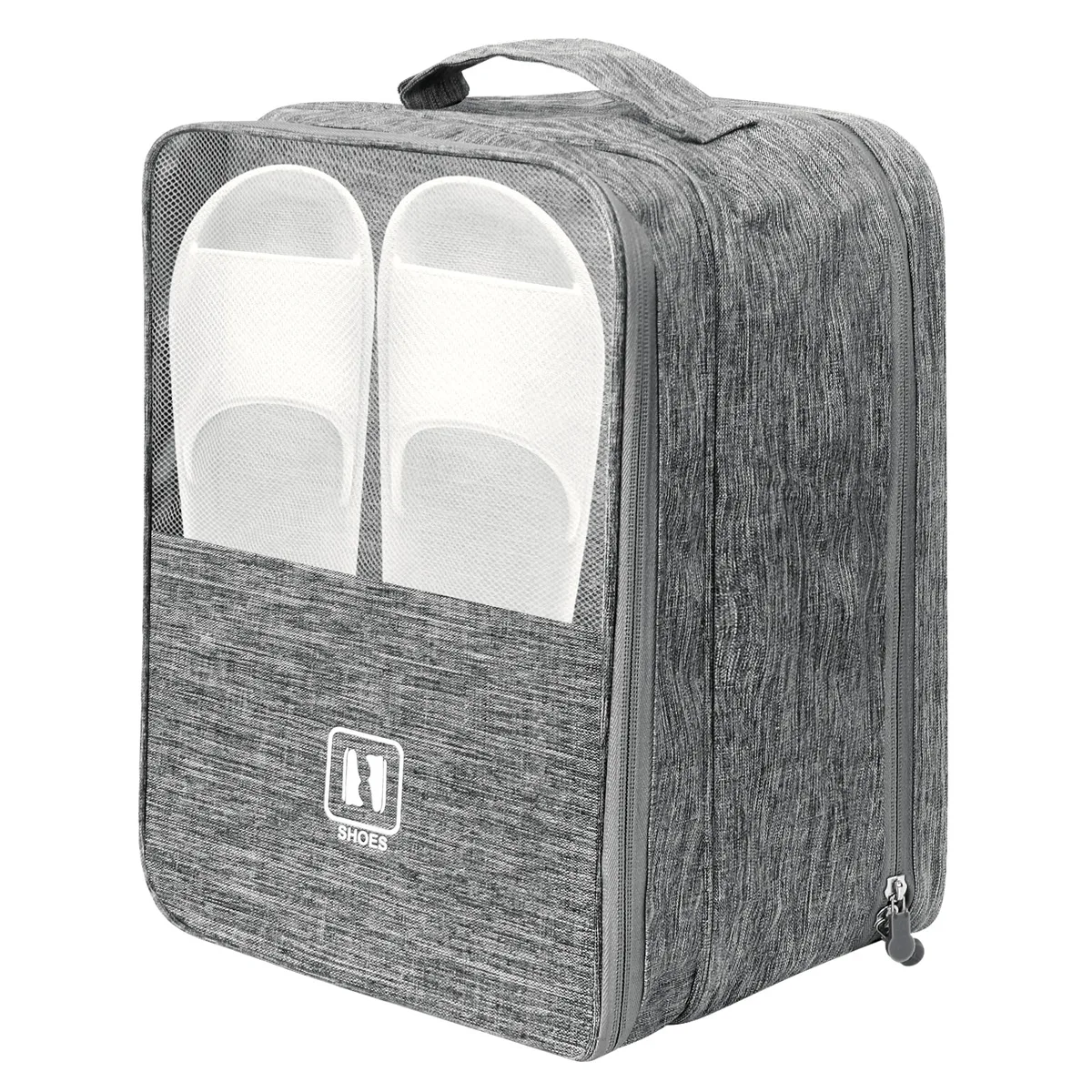
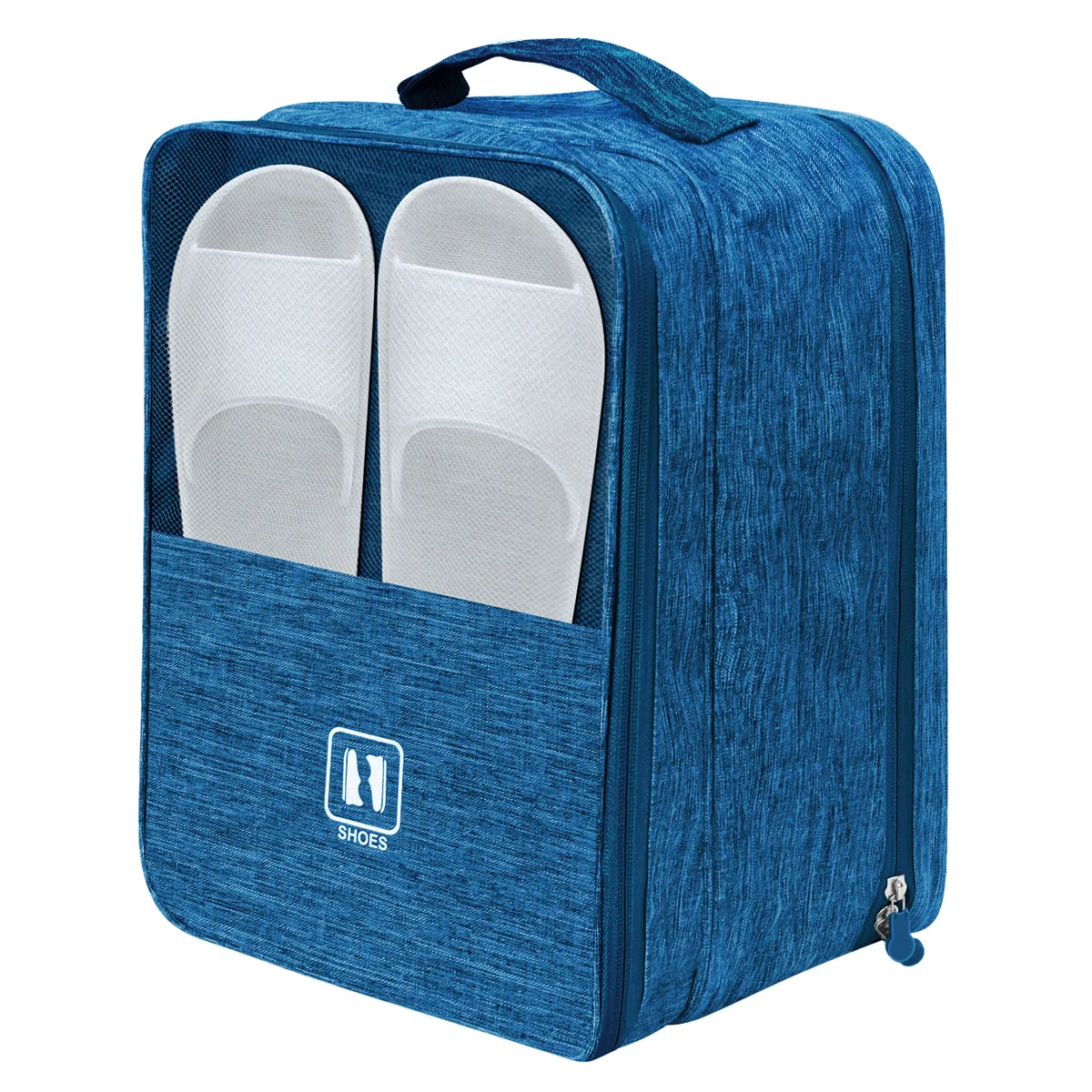
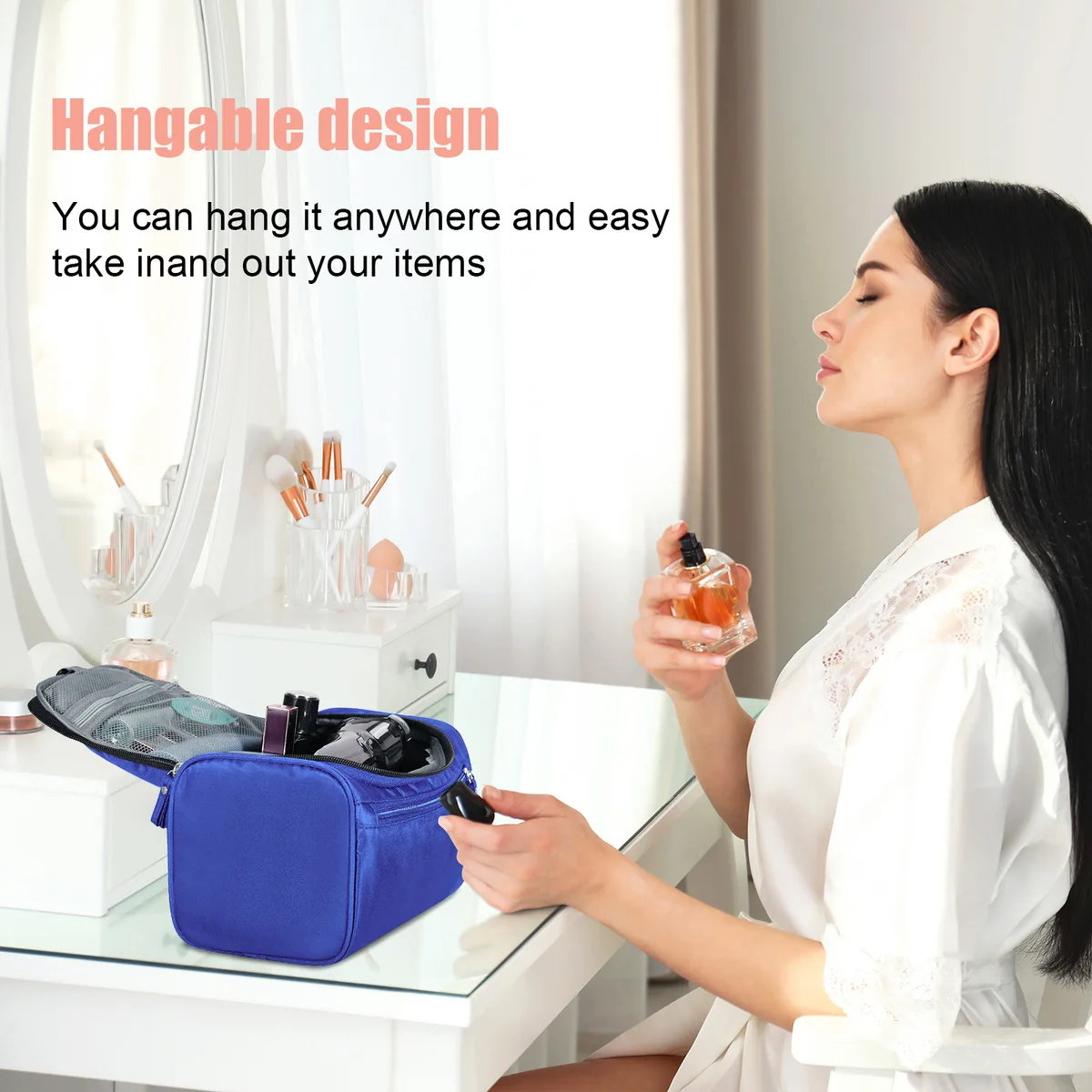
The mesh pockets and zippered sections in the PNEUICALLY PN-1026 make this sequence visible without emptying the main compartment. The hook helps when a hotel bathroom has a secure rail or hook but very little counter space.
6. Keep medicines and special items distinct
Do not bury medicine beneath shampoo or place it inside an unmarked cosmetic container. Keep it recognizable, dry and accessible according to its label and travel guidance. If a medicine has temperature or security requirements, use the appropriate dedicated method instead of assuming the toiletry bag is enough.
Keep contact-lens supplies, razors, powered tools and other special items in their own protected positions. Follow the maker or clinician instructions that apply to the individual item.
7. Run an arrival and departure reset
At the destination, hang the bag only from a stable support that can carry it. Remove any item that should not remain in a warm or damp bathroom. Keep containers closed between uses and clean up drips before they reach other pockets.
Before leaving, return each item to its assigned zone, confirm every closure and wipe the bag according to its care instructions. Let damp surfaces dry as fully as practical before zipping the organizer closed and placing it back in luggage.
Which toiletry organizer fits a short trip?
Choose by the bathroom setup, the items you must carry and how much structure you need. No organizer replaces product labels, medicine storage requirements or airline rules.
| Decision | Small hanging organizer | Flat zip pouch | Rigid toiletry case | Best-fit situation |
|---|---|---|---|---|
| Bathroom access | Opens vertically and can hang from a suitable support. | Usually rests on the counter and may require removing several items. | Stays open on a stable surface but occupies fixed counter space. | Choose hanging storage when counter space is limited. |
| Internal visibility | Mesh and divided pockets can keep routines separated. | One open compartment is simple but items can stack together. | Structured dividers can protect items but add bulk. | Choose the layout that lets you identify products without mixing them. |
| Packing shape | Compresses around its contents while retaining separate zones. | Fits into narrow gaps when lightly packed. | Keeps its shape even when partly empty. | Match the organizer to the actual luggage space, not the advertised capacity alone. |
| Leak response | Zippered sections help isolate groups but liquids still need a secondary barrier. | One leak can reach most contents quickly. | A hard shell may protect against pressure but does not stop a loose cap. | Use secure closures and a resealable liquid pouch with any format. |
How do you keep toiletries clean during a short trip?
Handle products with clean hands and close each container after use. FDA notes that cosmetics can be affected by moisture, heat and contamination during consumer use. Do not add water to a product to make it last longer, and do not share makeup or applicators.
Keep toothbrushes and dry tools away from an active leak. Wipe the organizer only with methods allowed by its care instructions, and never assume a water-resistant textile bag can be soaked or machine washed. If a spill reaches a product label or medicine container, restore legibility or replace the damaged outer packaging as appropriate before relying on it.
A bathroom can be convenient without being the correct long-term storage place for every item. FDA explains that warm or damp conditions can affect cosmetic products. Move heat-sensitive, moisture-sensitive or medically important items to the storage location required by their label.
What small toiletry bag mistakes create the most clutter?
The first mistake is packing by category instead of by use. A bag can contain five skin products and still miss toothpaste. Build the routine first, then choose products. The second mistake is using unlabeled sample jars; saving space is not useful when you cannot identify the contents or follow directions.
Another mistake is treating interior pockets as leak protection. Zippers and fabric dividers organize items, but a separate closed liquid pouch is still the more conservative approach. Avoid forcing overfilled compartments shut because pressure can distort caps and make the bag harder to inspect.
Finally, do not store medicines as if they were ordinary cosmetics. Keep their identity, instructions and required conditions intact. When the trip crosses borders or involves air travel, check the relevant official rules early instead of reorganizing at the checkpoint.
The takeaway
Give every item one reason and one place.
A small travel toiletry bag works best when the packing list follows the trip and every item belongs to a real routine. Select only what you will use, protect liquids with a secondary barrier, keep medicines distinct and assign pockets in use order. The PNEUICALLY hanging format adds visible zones and off-counter access, but careful closures, correct storage and a dry repack remain the parts that prevent clutter.
Frequently asked questions
What should I pack in a small travel toiletry bag for a weekend?
Pack the hygiene, grooming and destination-specific products tied to your actual morning and evening routines. Add medicines or health supplies separately, preserving their labels and required storage conditions.
How do I keep liquids from leaking in a toiletry bag?
Close and test every cap, keep leak-prone containers upright and place them inside a suitable resealable secondary pouch. No packing method guarantees zero leaks, so inspect containers before both departure and the trip home.
Should medicines go inside a toiletry bag?
Only when the bag location meets the medicine's label, security and storage requirements. Keep medicines in their original labeled containers and separate from liquids that could leak onto them.
Can I hang a toiletry bag from any bathroom fixture?
No. Use only a stable hook, rail or support that can safely hold the loaded bag without damaging the fixture. Keep the organizer away from splash zones and move sensitive items out of a warm or damp bathroom.
Do carry-on liquids still need a separate bag?
Yes, when TSA rules apply to the itinerary. Organize the toiletries first, then place carry-on liquids, aerosols, gels, creams and pastes in the format required by the current TSA 3-1-1 rule.
How should I repack a toiletry bag after the trip?
Discard only what should be discarded, clean spills according to the bag and product instructions, and let damp surfaces dry before closing the organizer. Return retained items to their normal storage locations instead of leaving the packed bag in a hot car or damp bathroom.