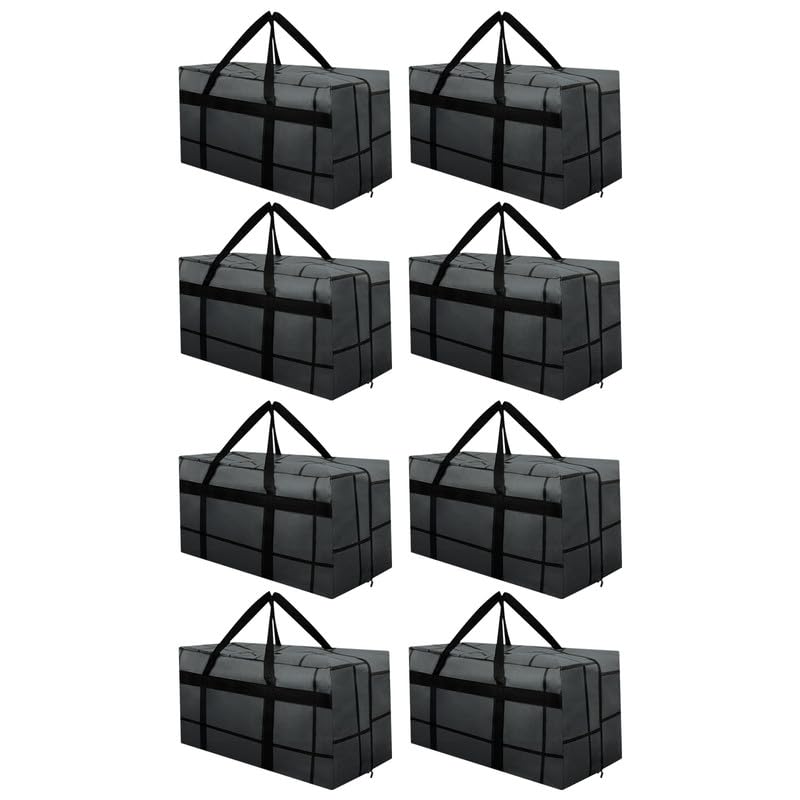
Cardboard boxes are the default image of moving day, but they are not the best container for every item. Soft-sided moving bags can be easier to carry through stairs, dorm hallways and tight apartment doors, while rigid boxes remain important for fragile or stackable belongings.
Instead of choosing one format for the whole move, match the container to the contents. The comparison below explains where each option works well and where it does not.
What moving bags handle best
Moving bags are a natural fit for clothing, towels, blankets, pillows and other soft goods. Their flexible sides adapt to bulky shapes, and multiple handles can make them easier to reposition in a room or vehicle.
They are also useful when empty-storage space is limited. After unpacking, foldable bags take up less room than assembled boxes and can be reused for seasonal clothing, bedding or a future move.
What cardboard boxes handle best
Rigid boxes are better for books, dishes, small appliances and items that need a stable outer shape. Consistent box sizes stack efficiently in a truck, and flat sides are easy to label by room and contents.
Fragile objects still need suitable wrapping and careful packing inside the box. A box adds structure, but it does not replace padding or thoughtful weight distribution.
Compare carrying and access
Bags can work well in spaces with stairs and narrow turns because the sides have some flexibility. Zippered openings also let you retrieve an item without cutting tape. Avoid overfilling: a bag that is technically closed may still be too heavy for safe carrying.
Boxes offer predictable hand positions and stack neatly on dollies, but damaged handles or damp cardboard can reduce reliability. Test every packed container before moving day.
Think about protection and weather
A zippered moving bag helps keep soft contents together and can provide a barrier against ordinary dust and splashes. It should not be treated as a substitute for sealed waterproof storage during prolonged exposure.
Cardboard is vulnerable to rain and wet floors. If weather is uncertain, keep boxes covered and avoid placing them directly on damp surfaces.
Build a simple hybrid packing system
Use bags for closets, bedding and flexible soft goods. Use sturdy boxes for fragile, dense or uniformly stackable items. Assign a color, label or number to every room so both container types follow the same unloading plan.
Pack one clearly marked first-night bag with bedding, chargers, toiletries and a change of clothes. This keeps essentials accessible even if the rest of the move takes longer than expected.
The takeaway
Keep the system simple.
Choose moving bags for flexible soft goods and compact storage after the move. Choose boxes for fragile, dense and stackable items. Use both within one labeling system for the easiest unload.